

Ancient Rome Reconstruction
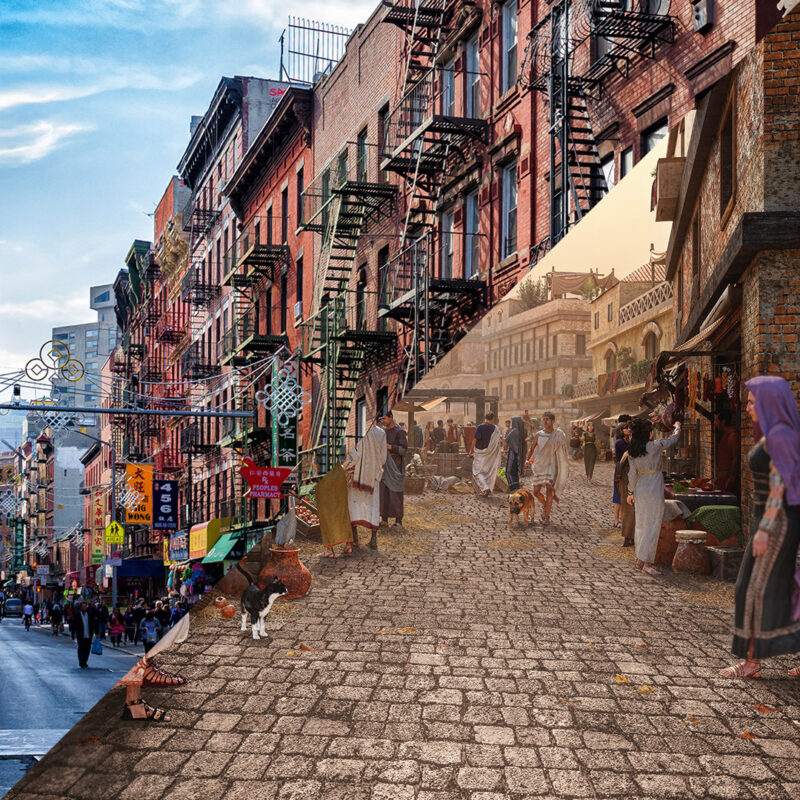
Ancient Rome City Living – 2000 years comparison
May
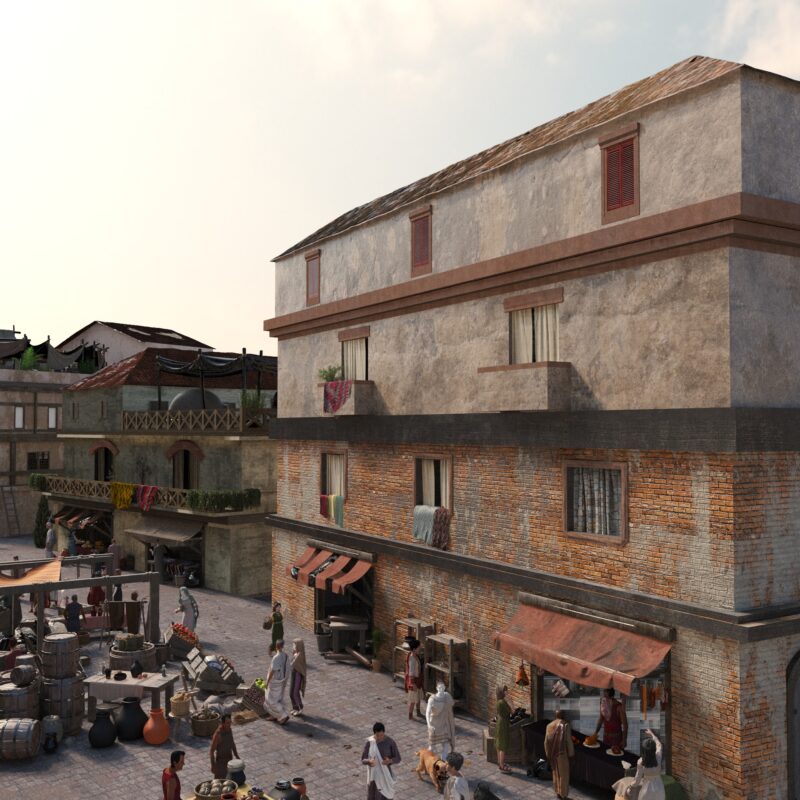

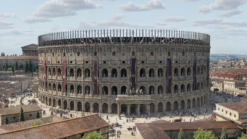
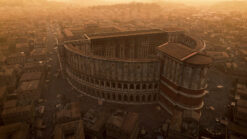
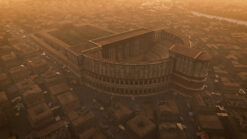
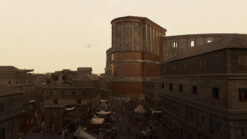
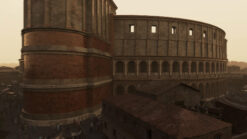
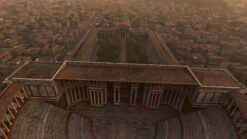
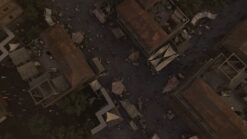
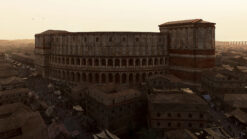
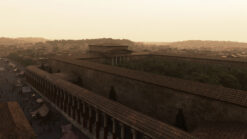
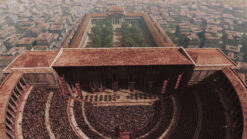
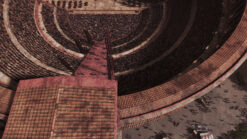
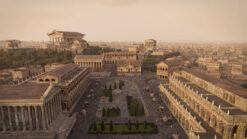
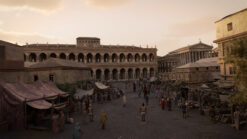
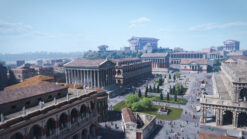
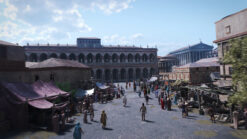
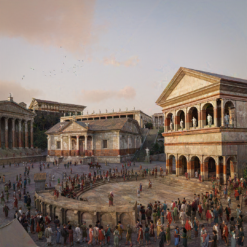
The architecture may appear familiar to the casual observer looking at our Republic-era Ancient Rome imagery, asking themselves ‘what’s changed since Ancient Rome city living?’. Busy streets with open-air market traders, street-fronted shops, and apartment homes stacked above. Fast forward to today and stroll down a street in any cosmopolitan city and you may likely see a similar scenario as that of 2000 years ago.

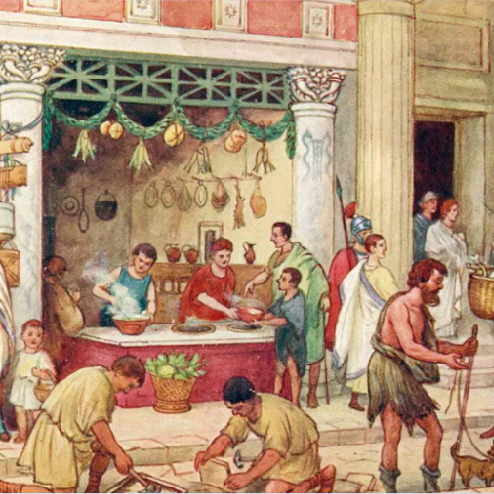
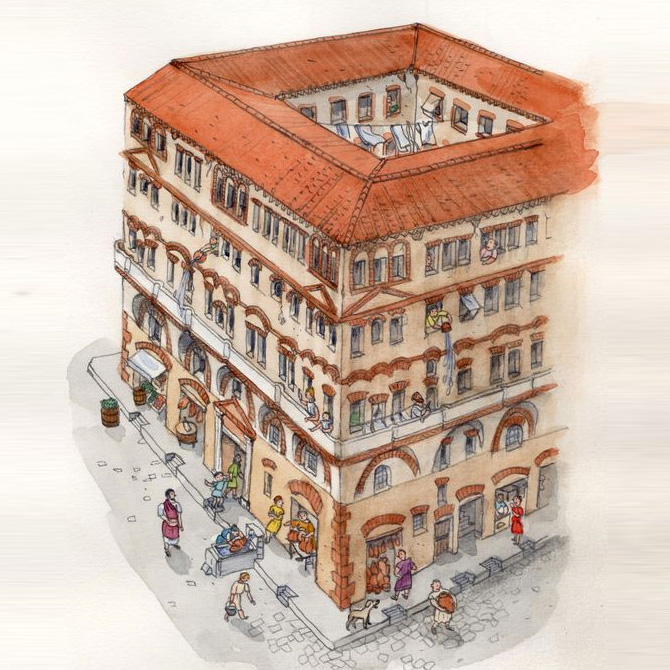
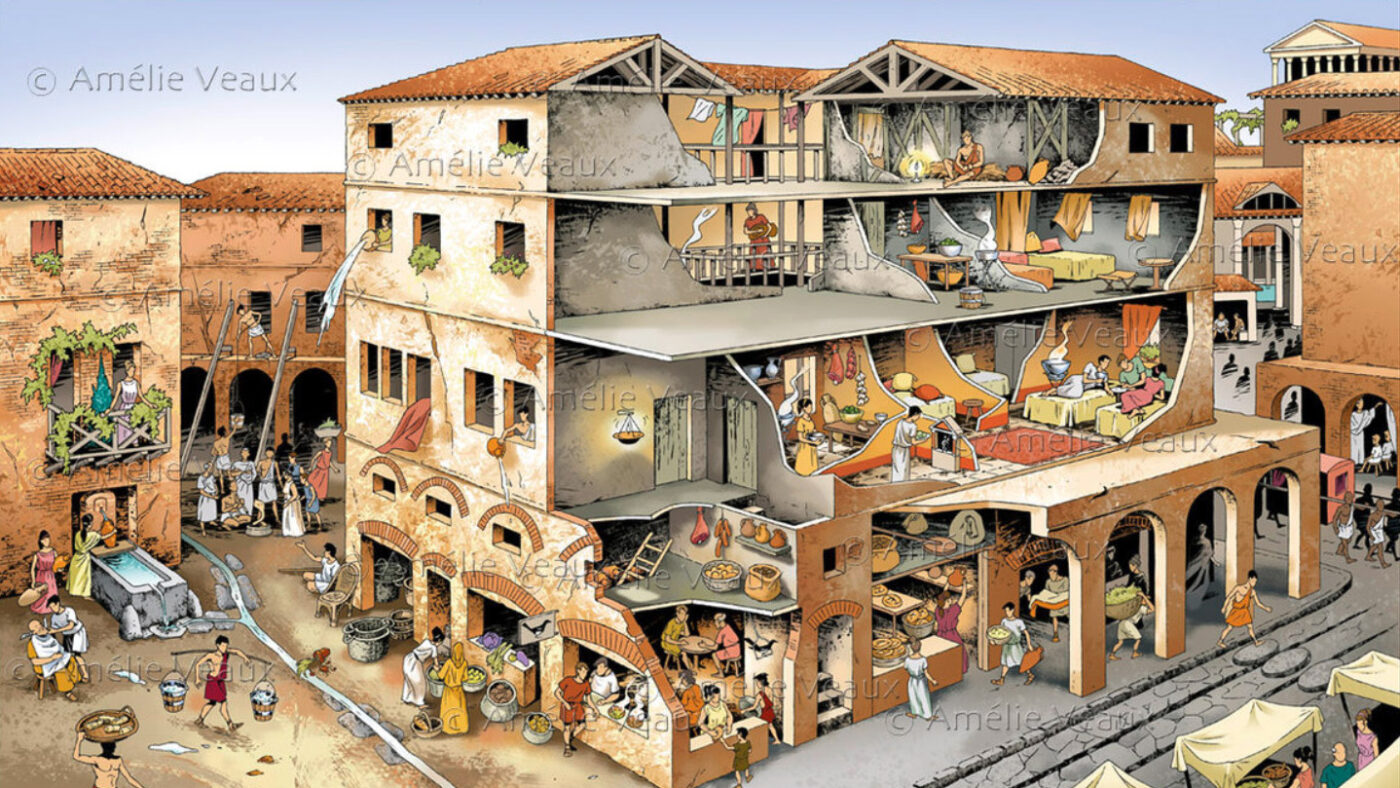
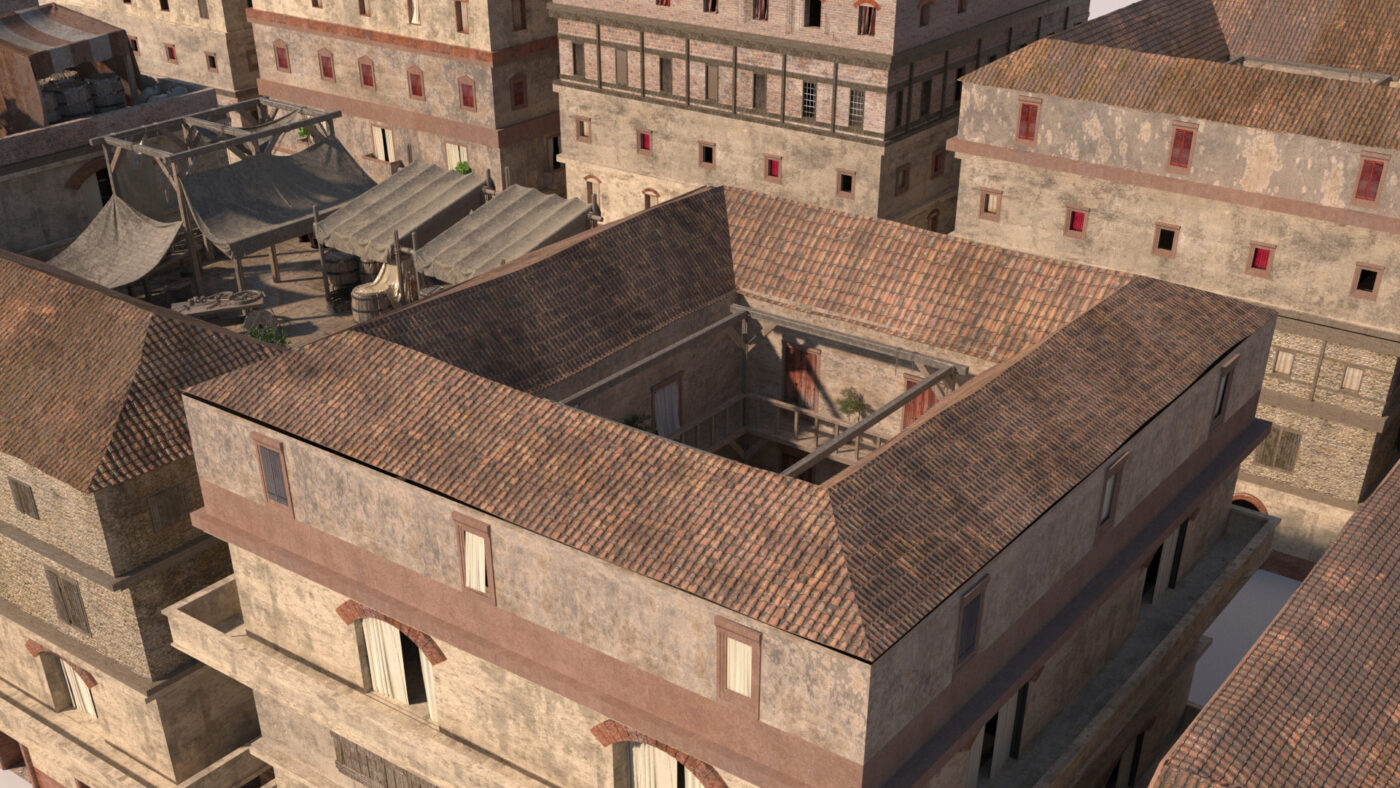
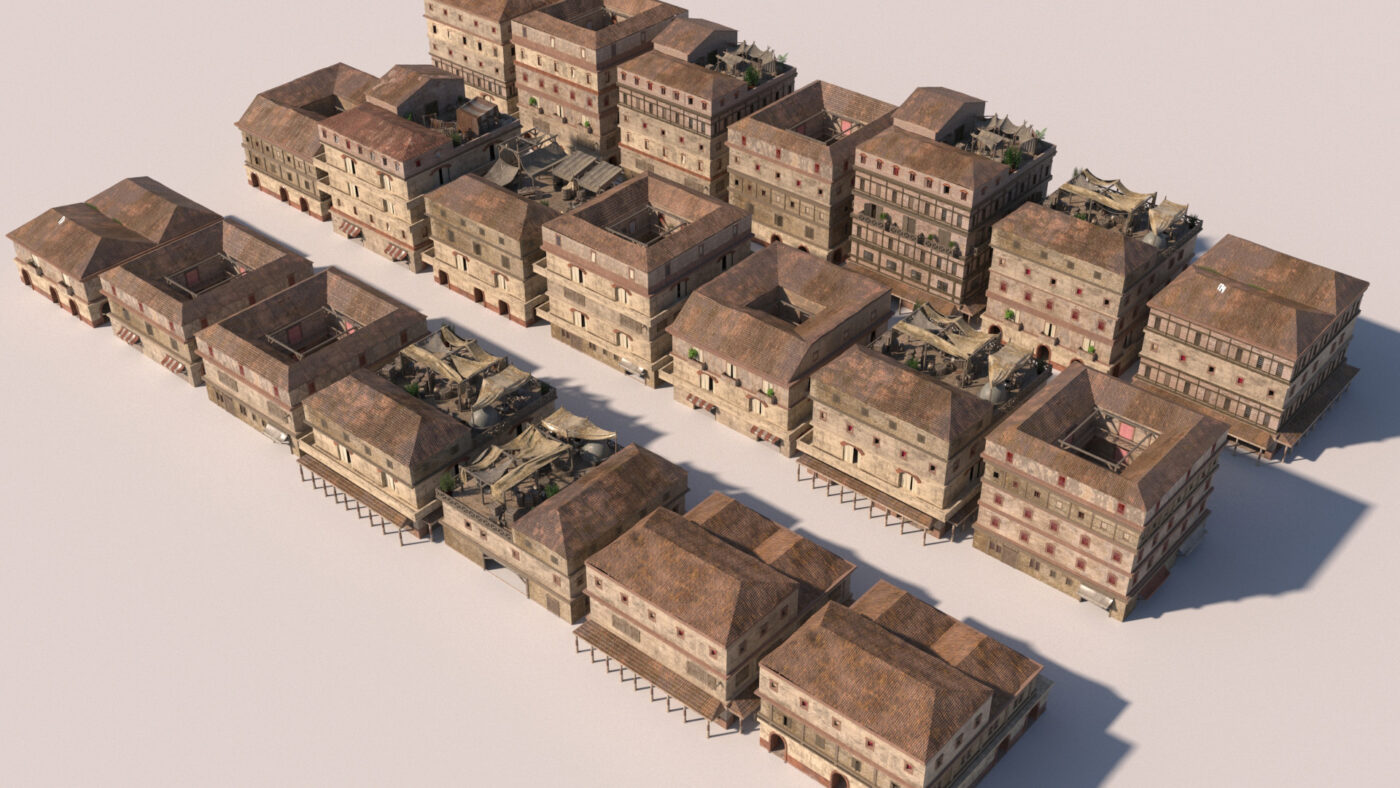
In concept designing the 3D model we learned about the three main architectural residential types developing the Ancient Rome City Living designs for the Roman Republic city.
INSULAE
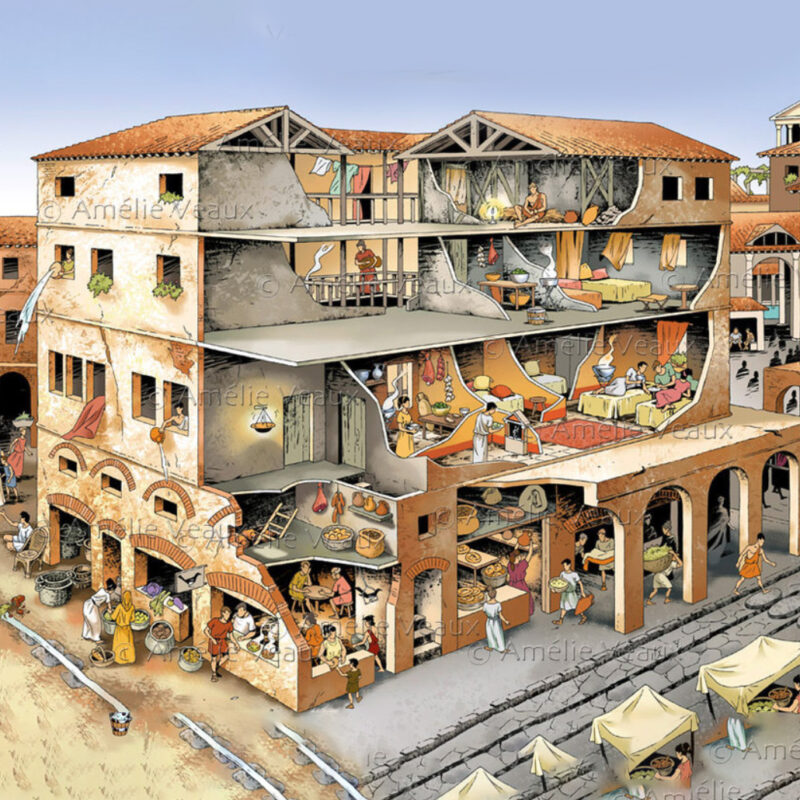
INSULAE – Apartment buildings
Multi-storey building reportedly up to 5-7 floors. It was common for the ground floor to be occupied with shops and utilities such as toilets. The upper floors housed small homes for most of the city’s citizens.
DOMUS
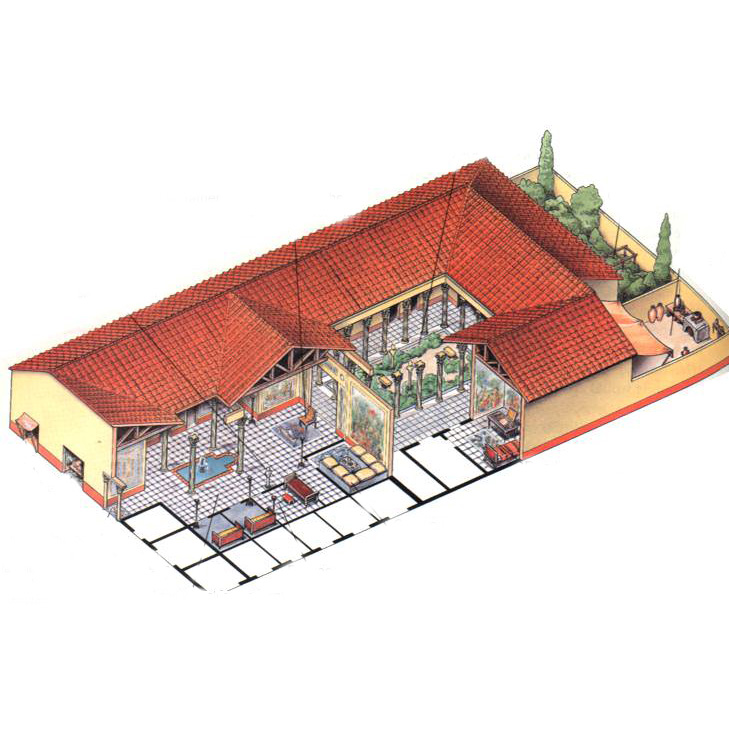
A single-storey house for wealthy citizens.
VILLA
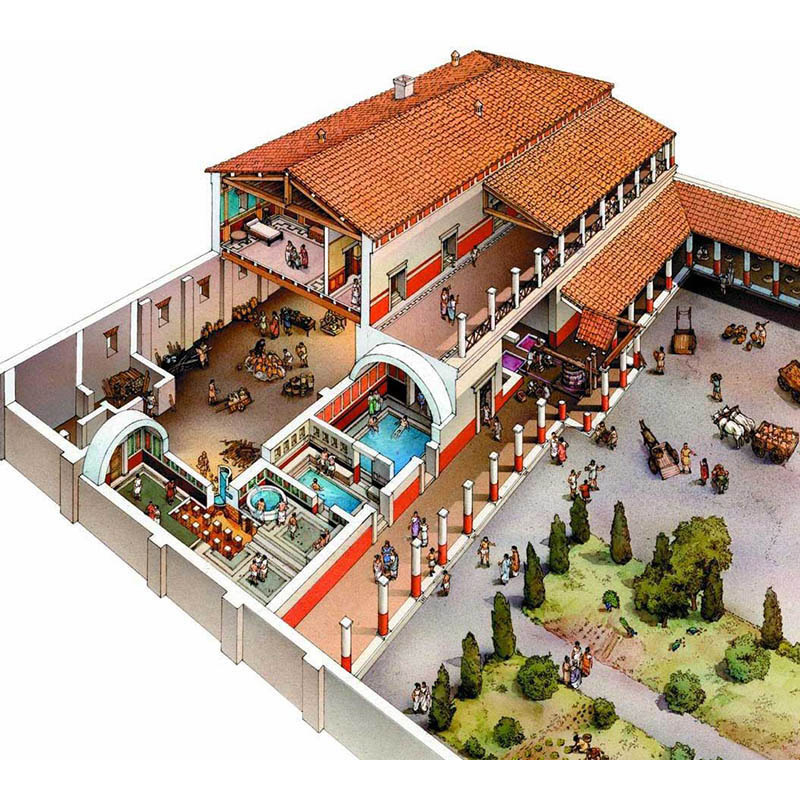
A luxury home for the wealthy typically built in country settings outside the city perimeters. Some extremely wealthy citizens owned Domus and Villas (similar to rich New Yorkers with homes in the Hamptons).
In the late Republic era, Rome was a sprawling metropolis with approximately 1 million inhabitants. Most lived in Insulae, and these were often run-down and dilapidated, built in close proximity to each other.
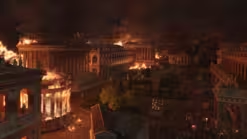
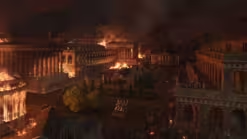
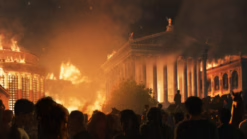
In later decades, fire destroyed vast areas of Ancient Rome. As the city evolved and developed, with more wealth in the city, the Insulae were replaced with Domus-style buildings.
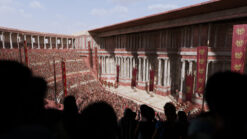
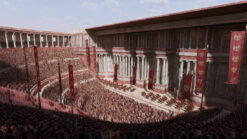
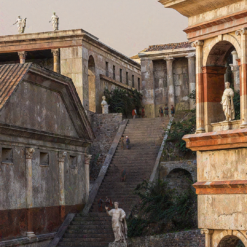
We have tried to represent this City Living architectural chaos in Republic Rome throughout our imagery.
External References
https://www.britannica.com/technology/insula
https://en.wikipedia.org/wiki/Insula_(building)
Download the image
Ancient Rome
Check out the Ancient Rome library for further imagery.
Ancient Rome
Ancient Rome
Ancient Rome
Ancient Rome
Ancient Rome
Ancient Rome
Ancient Rome
Ancient Rome
Ancient Rome
Ancient Rome
Ancient Rome
Ancient Rome
